I am in Guatemala. I have learned so much in Guatemala. I have been here for two weeks, alone. Each day my Spanish improves and I become less alone. The people are warm and generous and now I’m able to communicate with them. I have also gotten the opportunity to explore the beautiful landscapes, cities and some of the wilderness here. It is a complicated and beautiful place and I am grateful to be able to visit.

On the first day I arrived in Guatemala, I flew into La Aruora in Guatemala’s aptly named capital city: Guatemala City. One of the busiest airports in Central America it was immediately different from the world I had just came from. I checked my phone and received a text from my shuttle driver to meet outside the blue cafe by the airport pickup. There were I estimate 100,000,000 people waiting behind the security checkpoint. It was dense and hot and the air was humid and moist. There were predatory rental car salesmen and taxi drivers tugging on my shirt and asking to drive me. I sat for a while, waiting for my driver. A small stout man with an undercut ran up to me and said, “Reece Taylor-é” to which I nodded and followed him. The shuttle contained me and two other travelers that were dropped off at a nice hotel beside the airport. I, however, continued. The one hour drive took three hours. The driver, Mateo was talented, able to reply to and watch the horniest TikTok algorithm known to man whilst also driving 100km/h down the tightest, windiest and most densely packed mountain roads in Central America. We chatted a bit about Alaska and the US. He says he wants to visit and I told him he should wait a little bit. He laughed.
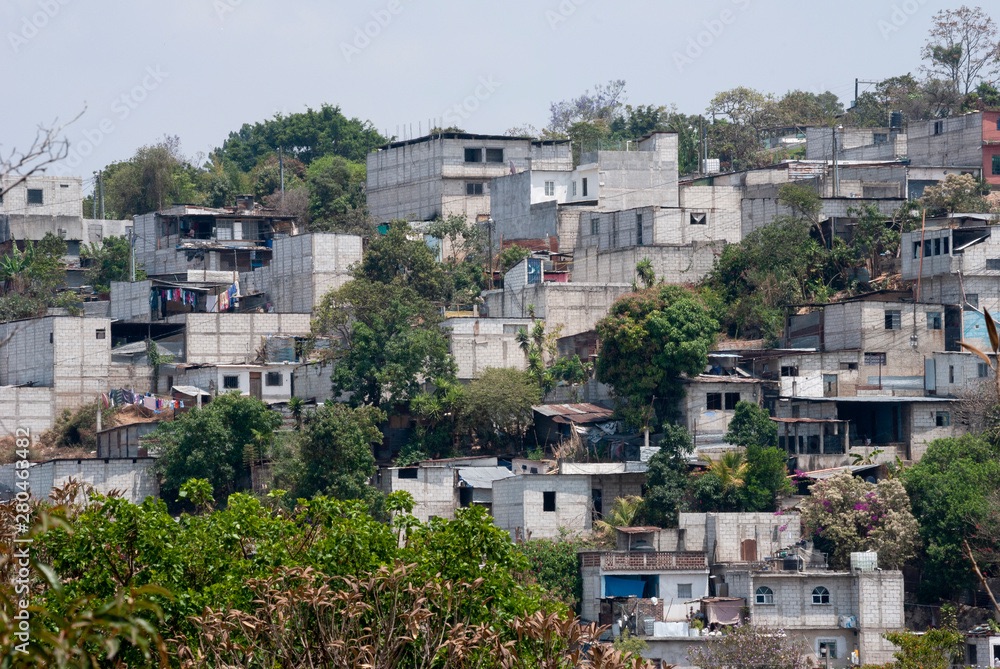
The houses in Guatemala city are small and dirty and made of sheet metal. I saw them from the window. I realized this was my first time seeing something like this. This is Guatemala’s middle class. Working families in multigenerational homes, with no potable water. I felt guilty. This is not mentioned to paint myself as some white saint visiting a developing place. Most people here live normal lives with family dinners, smartphones and regular jobs. It just looks very different than my regular life and that is worth acknowledging. It is also noting that Guatemala got here through a complicated history that involves Americans.
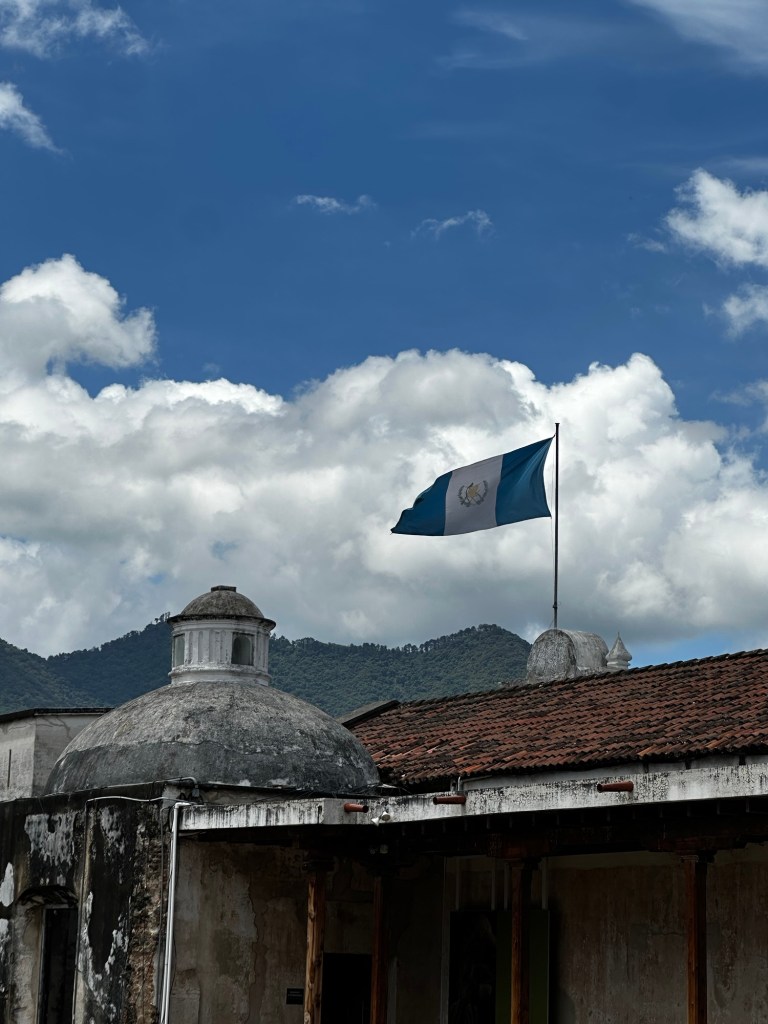
Guatemala was a part of the meso-american and Mayan world for centuries. It was conquered by the Spanish in the 1700s where it served as the capital of colonial Central America, its capital city being Antigua (then called Guatemala City.) A series of horrific and huge earthquakes and volcanic eruptions led to the city of Antigua being abandoned for higher ground. Under the Spanish it is a familiar story, with whiter people being held in high regard, their mixed children below them and native Mayan population being used only as human machinery. The nation’s people began to take on a sovereign identity from Spain and declared their independence in 1821.This led to more instability and a number of civil conflicts within the now named Federal republic of Central America. With a handful of power shuffles occurring every decade this gave the CIA a golden opportunity to back powerful dictators and do what the CIA does best; destabilize and rebuild in its own interest. Guatemala’s democratic party fought back and usurped one of its most prolific and corrupt dictators Jorge Ubico (known to actively and affectionately compare himself to Adolf Hitler.) This usurpation by democratic rebels led to a revolution or The Ten Years of Spring, an era of agrarian, social and political reform. Most notably reversing the effects of the American owned United Fruit Company. A company that traded fruit through the tropics. It did this by purchasing land cheaply from the government, that belonged to native people to then enslave them and reap the rewards for American investors. In 1954 The US backed another dictator after ending the period of revolution and reform in Guatemala. This led to 40 years of civil war. The military dictatorship was not popular a series of rebellions led by the Guerilla Army of The Poor punctuate this period. At its peak held 270,000 members, usually poor Mayan farmers. The US sponsored the war against these people, killing 200,000 civilian soldiers and backing an ethnic cleansing against the Mayan People in the 1980s. Eventually, the United States negotiated a peace accord which led to economic growth and democratic elections; the Guatemala I am in today.
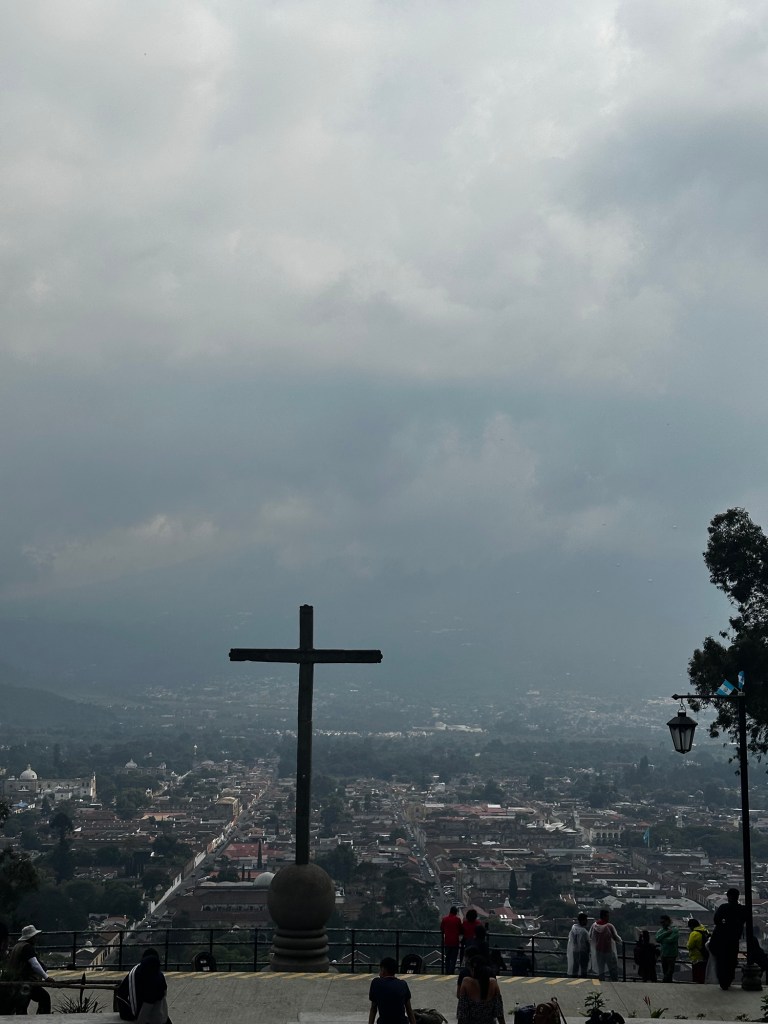
I have only now read the history of this place, as I write this reflection. In Antigua I paid for a guided walking tour through the ruins and historical parts of the city. My guide called “Wilson” met me alone in the Parque Central of Antigua. I told him to look for the man so pale it would blind him. To my surprise I was the only person on this tour. Wilson, from a rural town near Quetzeltanango (another of Guatemala’s largest cities) is of Ixil Mayan descent. (The group targeted the most in the massacres by military forces.) I don’t find the Spanish colonial history of Guatemala that interesting, and unfortunately Antigua is full of it. I told him this early on and that I was mostly interested in meso-american history and the nature nearby. We walked the markets and I asked him a pointed and in retrospect ignorant question. I said, “What does it mean to be Mayan or native to you? Do you mind if I ask how this has affected your life?” He asked me to keep my voice down, and told me that he would answer as we left the markets. His answer was refreshing, he spoke only of the hardship and discrimination of growing up Mayan and not its recent history. Seemingly dancing around the words racist or discriminated. He mentioned that Mayan people don’t get votes and so they don’t get representation. This was before I knew anything about the persecution that happened so recently in Guatemala’s history. I was amazed by Wilson, he is a linguist and is very proud of his native history. Our conversations now reminds me of a quote by Stephan Jay Gould, “I am, somehow, less interested in the weight and convolutions of Einstein’s brain than in the near certainty that people of equal talent have lived and died in cotton fields and sweatshops.” Wilson also spoke of his time growing up in the woods. He was very interested in conservation, being taught from a young age that the Ixil are not separate from nature. This was exciting to me as conservation is something I connect closely with.

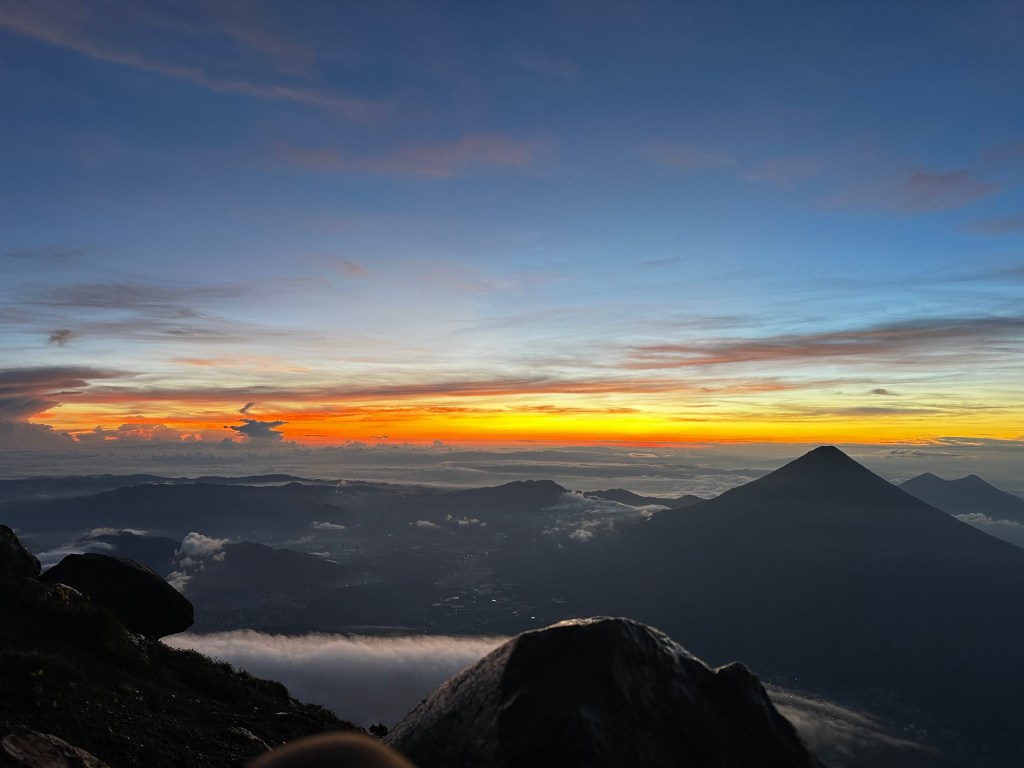
I have confusing feelings on conservation in a place like Guatemala. So much of the native jungle and forest has been razed for coffee fincas and fruit plantations. Profitable businesses that most of the world love and rely on. The most enjoyable moments of my trip though have been my moments of solitude in nature and I’ve felt there is too much commercialization of the beauty here. Conga lines of guided gringos line the trails of the volcanos, as local porters take the risk of doing this climb 2-3 times a week for only $30. I really think it should require a substantial amount of work and lack of convenience to see the beauty here. I think if that were so, these beautiful places would be more respected and less trafficked. The berms of trails and roads are filled with trash and the paths are horribly eroded. The porters and guides are here to make a living mostly, and take little responsibility for the trash and erosion as they have lots of work to do. Wild dogs line the trails eating trash and scraps scaring off native foxes, monkeys and unique and beautiful birds. This sentiment I realize is not a new one and is an echo of many naturalists who come before me. The truth is we are truly spoiled by our parks in the US. We have the best wilderness in the world. Nature is not something to be conquered, it is something we are a part of. We are not separate from the trees and rivers. But it’s easy to say that when I have potable water and an American income. How can we blame others for razing forests in search of a life commensurate with mine? After Antigua I went to Lake Atitlan.
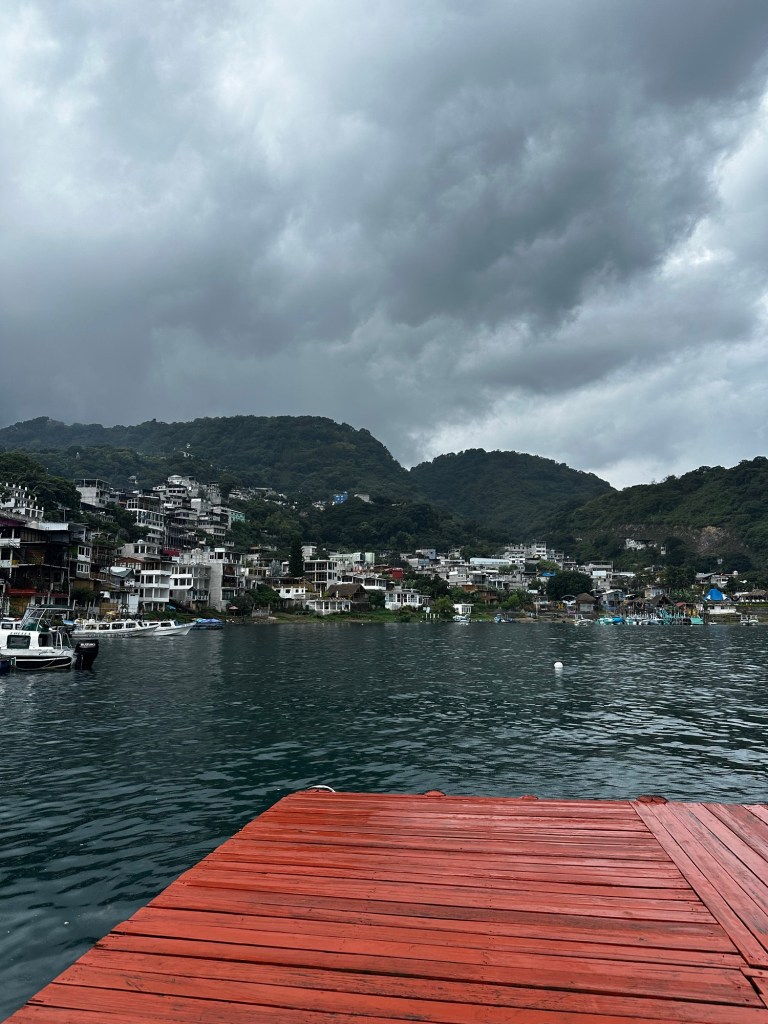
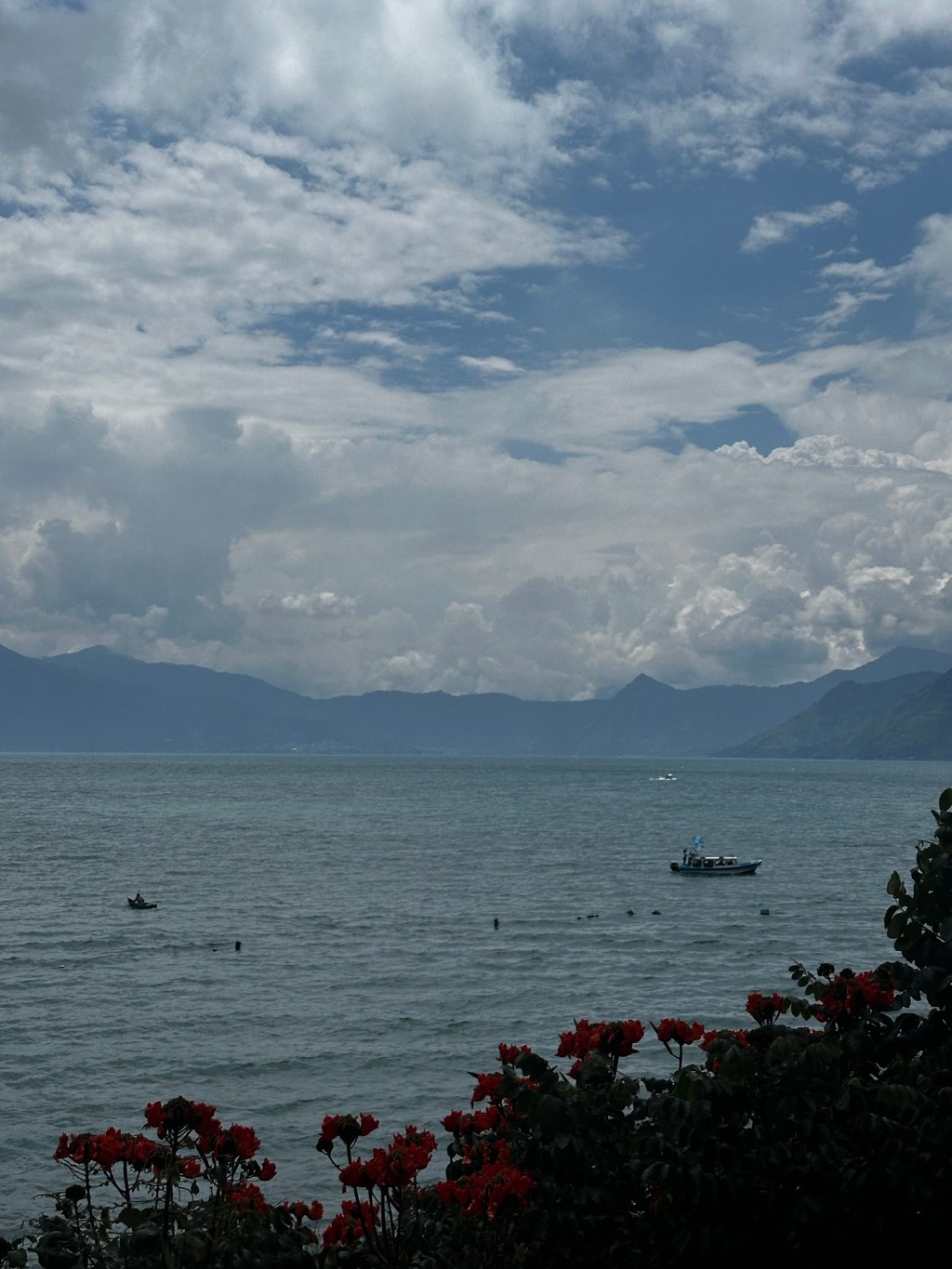
Exploring Lake Atitlan was incredible. You could spend a lifetime in each village alongside the lake. A body of water resting at the same elevation as Denver CO, filling the bowl of what was once the ash cone of an enormous super volcano. It’s one of the most beautiful places in the world. Each town offers a more distinct feel than the last, there is San Pedro with its local feel and tourist driven economy. Panajachel is large and dense and bright with vibrant nightlife and great street vendors. I spent a few days in San Marcos. San Marcos is absolutely the most beautiful place on the lake. The water is cleaner, the views are spectacular. I spoke to a restaurant owner who tells a familiar story however. After covid, many people moved into town, working remotely and using their inflated wages to build massive compounds and homes. Driving up the price of the area. San Marcos is now a “spiritual sanctuary.” a place for ascetic types to learn yoga, meditation, spiritual practice all while benefitting off the locale. There are community efforts of course, to close the large disparities between the rich gringos and the people from here. But it’s funny to me. The lack of conservation in a different form. Can you blame them? It’s a beautiful place, it’s cheap and provides a great life and community for you or your family.
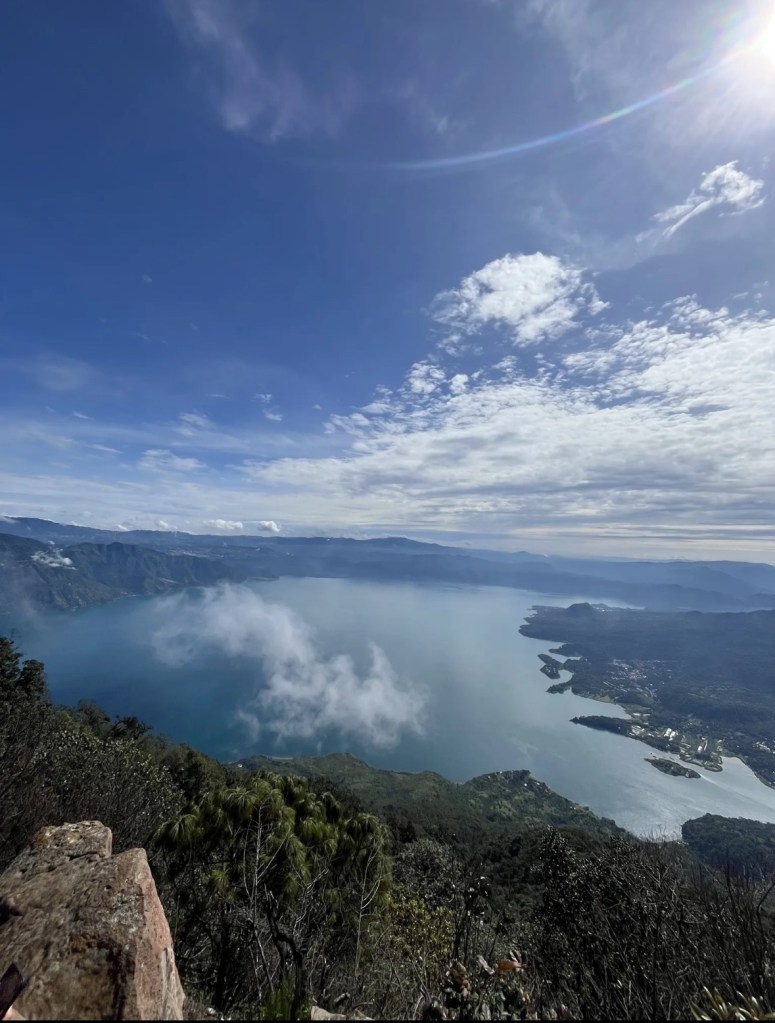
I am amazed with Guatemala. It’s a place of kind and patient people. They work hard and live vibrantly. Music and fireworks are to be played and detonated at all hours for every celebration. Cultural heritage is rich and family is important. But the history is dark, and plagued with interference from disaster and people with more than plenty. I enjoyed my time here. It is worth going, but there is just a general uneasiness around being a tourist. Tourist areas are policed extra, cleaned extra and lipsticked a bit extra. I feel as though I visited a Guatemala carefully manicured to make me and other drunk backpackers from around the world feel safe and adventurous. I hope one day I can return with better spanish and get a real feel for the place.
 IRRegular updates